
Overview
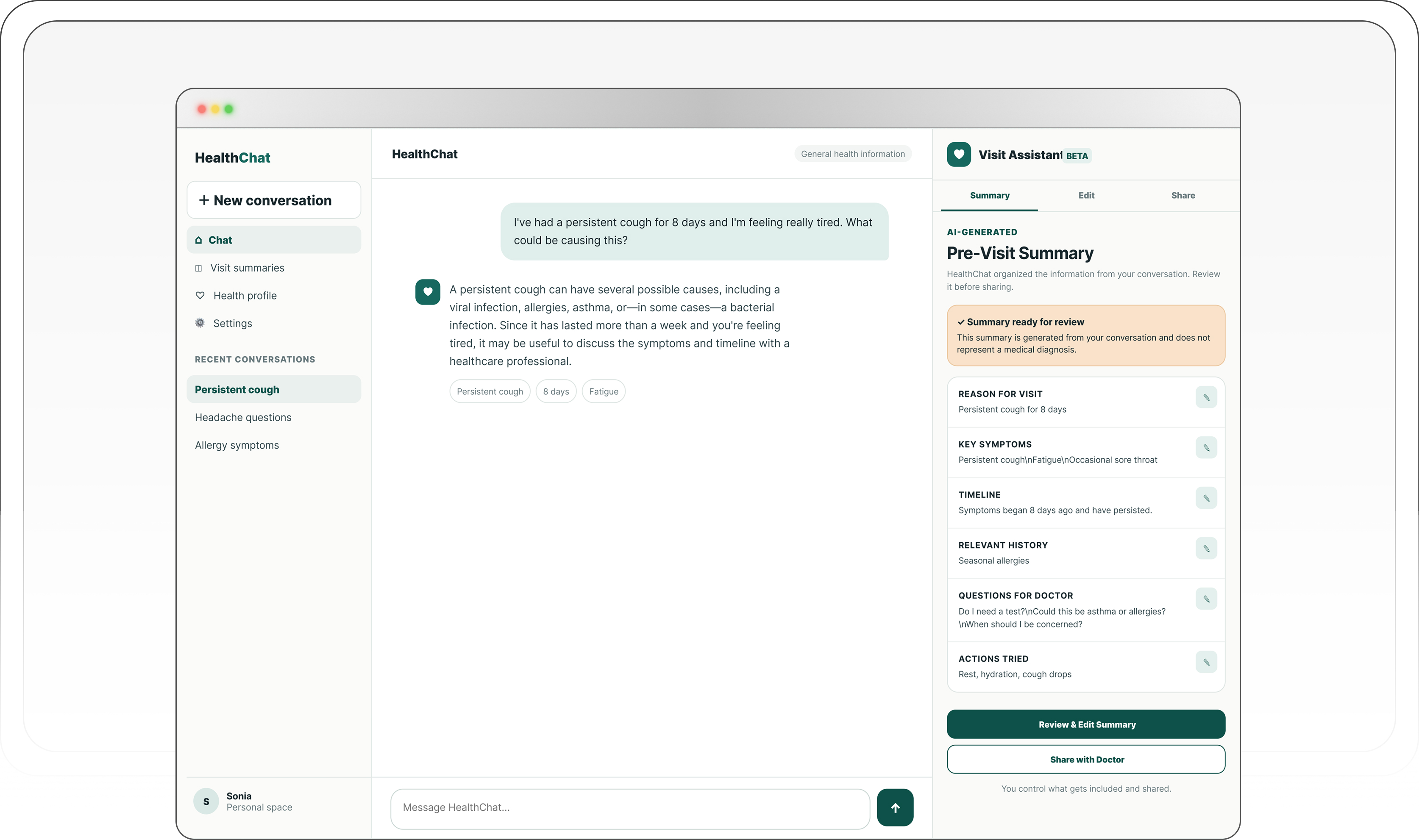
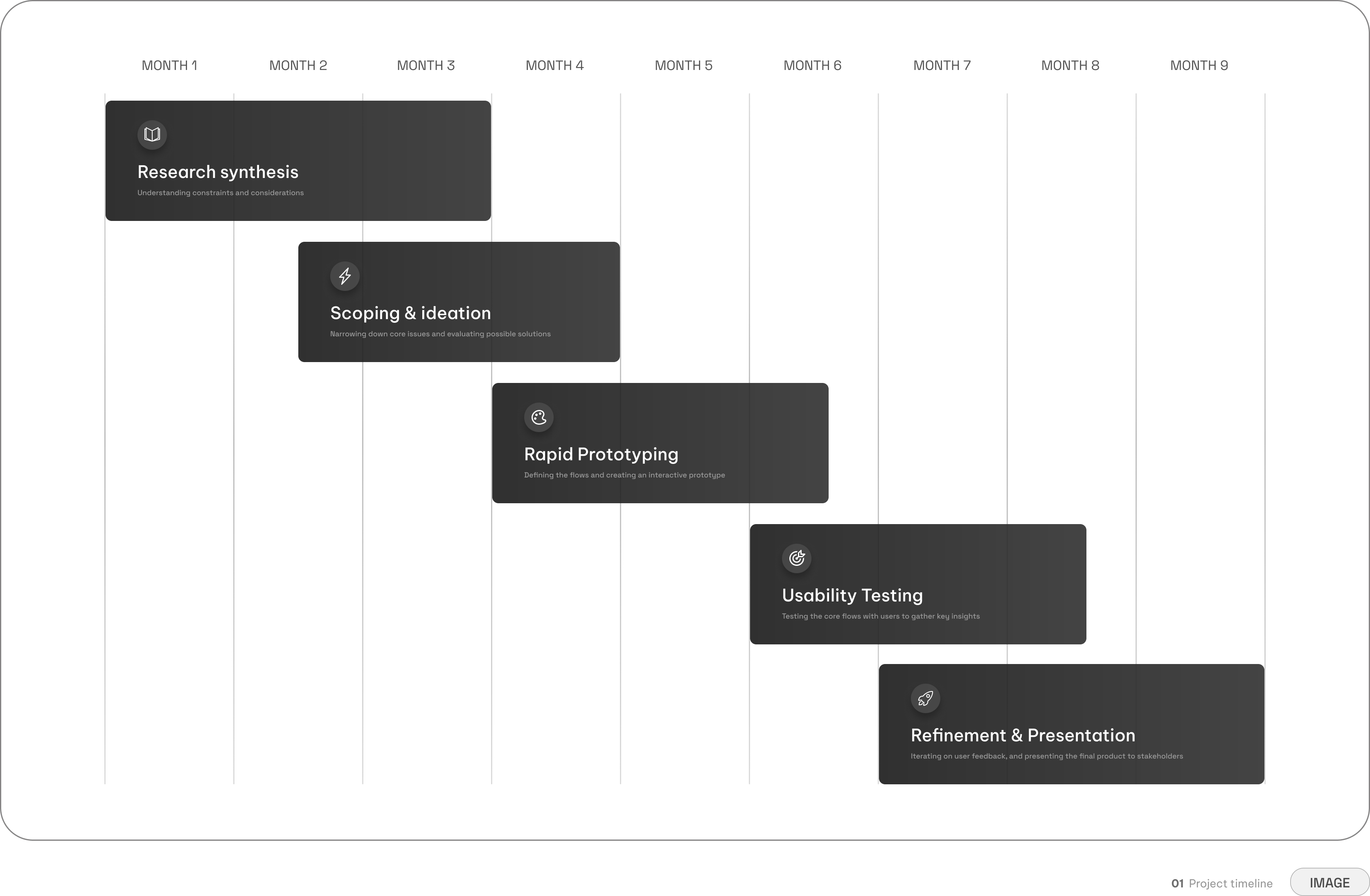
Sponsored by Microsoft Research’s Health Futures Group and developed as part of an HCI graduate capstone at UC Santa Cruz, I contributed across end-to-end user research, synthesis, and concept architecture. I played a key role in scoping the core user experience—translating mixed-methods insights from 60 survey respondents, 9 patient interviews, and 3 clinical experts into a continuous care loop that integrates seamlessly into existing patient habits.
This project is currently ongoing. We’re now translating our research insights into design requirements and user flows, which will shape the design that follows. The direction centers on a non-judgmental, privacy-conscious foundation that connects everyday web research to clinical decision-making.
Context
Patients aren’t waiting for the future of care
Traditional healthcare is slow, expensive, and difficult to navigate for non-urgent health questions, driving patients to seek immediate answers on their own. Sponsored by Microsoft Research’s Health Futures Group, our brief tasked us with exploring the “AI Clinic of the Future” with strict, intentional boundaries: we were not designing a diagnostic tool for medical decision-making, and clinicians were strictly observational lenses rather than our primary users.
The solution had to be unapologetically patient-first, helping users manage health inquiries outside formal settings without disrupting clinical care.
The Problem
High AI reliance, zero disclosure, and market gaps
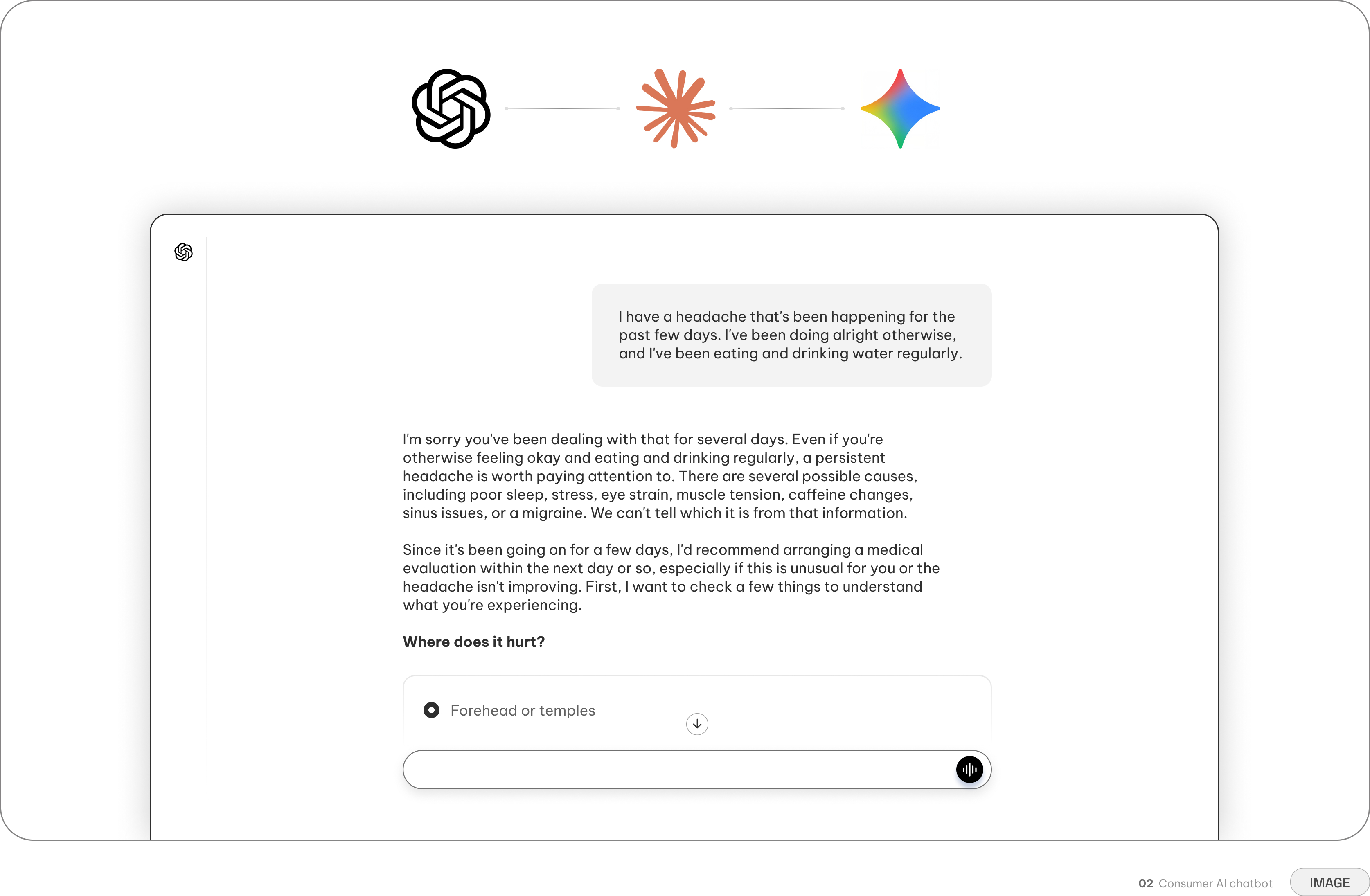
Patients rely on AI for quick answers, but they worry about privacy. They often leave out age, gender, and personal history in prompts, which makes AI advice less accurate.
When visiting a doctor, patients hide their AI searches entirely and pretend they only did a basic web search. This creates a frustrating cycle of secret searches and poor communication. Compounded by limited health-specific AI tools, patients navigate independently to connect the dots.
The competitors solved pieces of the problem — but no one solved the whole experience
Current market tools fail to solve this problem. Medical apps like Doctronic and Amazon Health AI connect to doctors, but they force users into paid subscriptions or specific clinic networks. On the other hand, everyday tools like ChatGPT are easy to use, but they lack memory across chats and cannot create reports for doctors. Neither option helps patients talk openly with their healthcare providers.
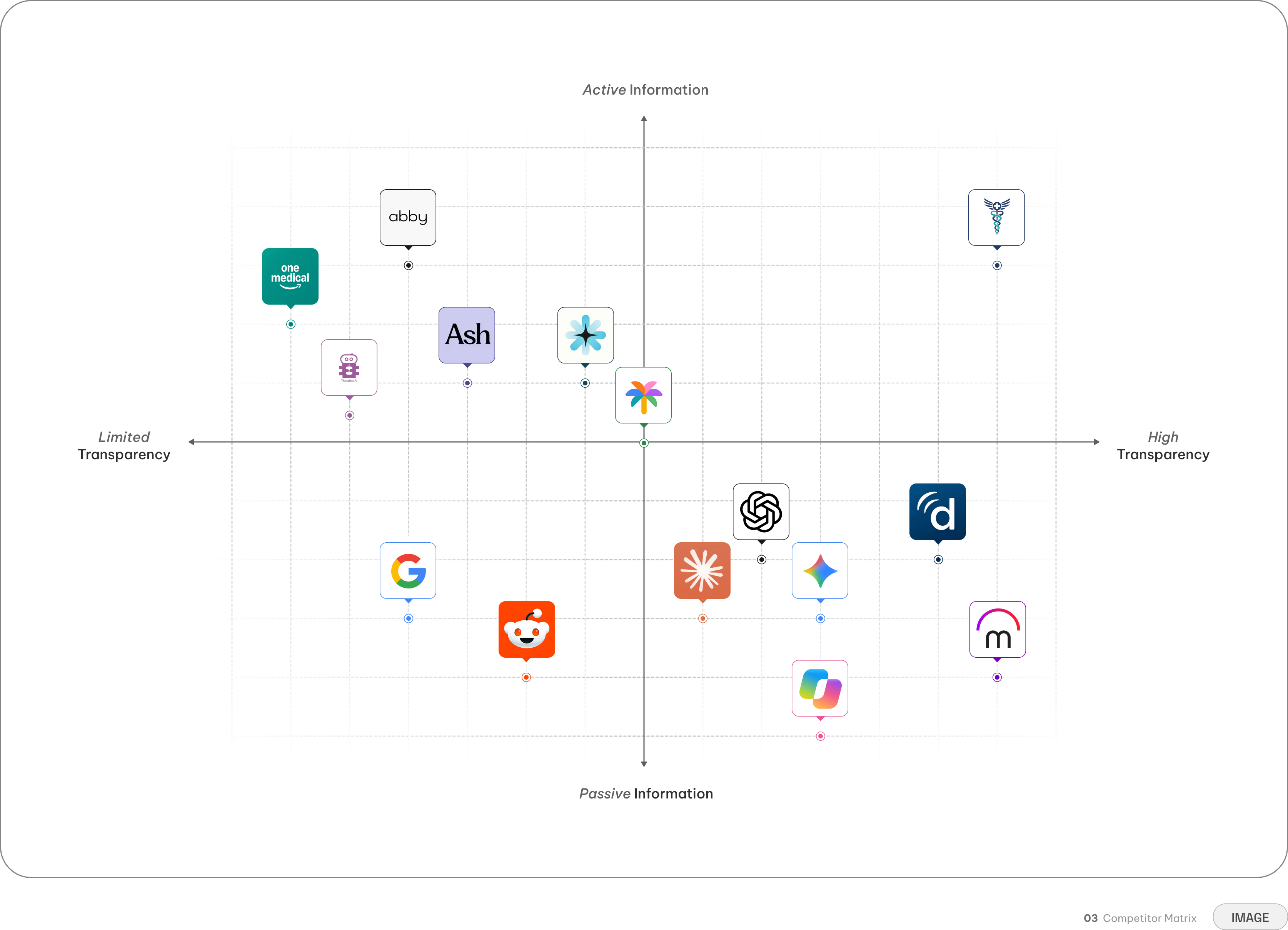
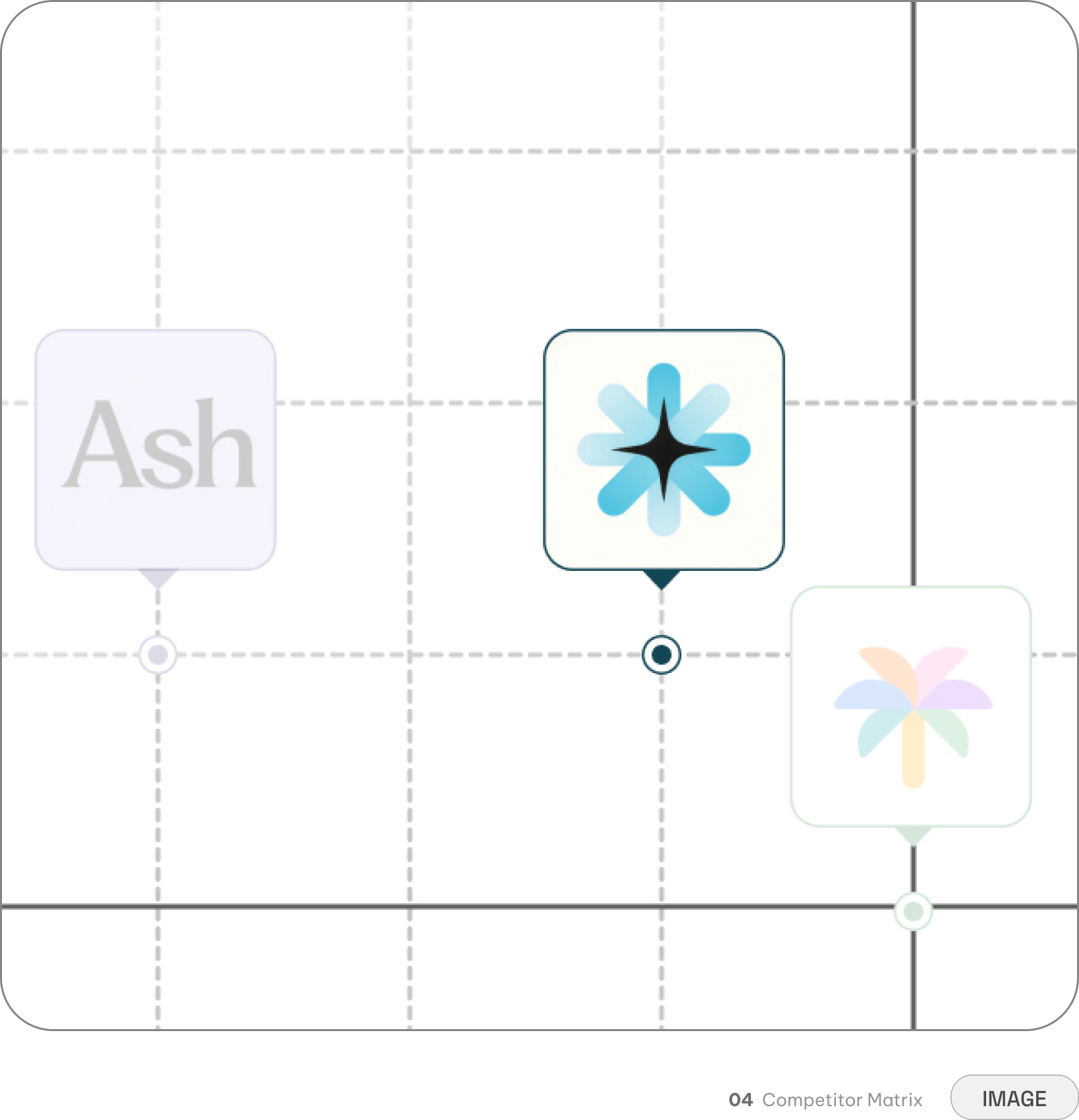
Doctronic
Delivers 24/7 instant health answers with built-in options to seamlessly escalate to a licensed doctor video visit and accepts insurance
Restricts full capabilities—such as online prescriptions and renewals—to a single US state, heavily limiting regional usability
Locks patients into a single, isolated provider network rather than supporting continuity with their existing doctors
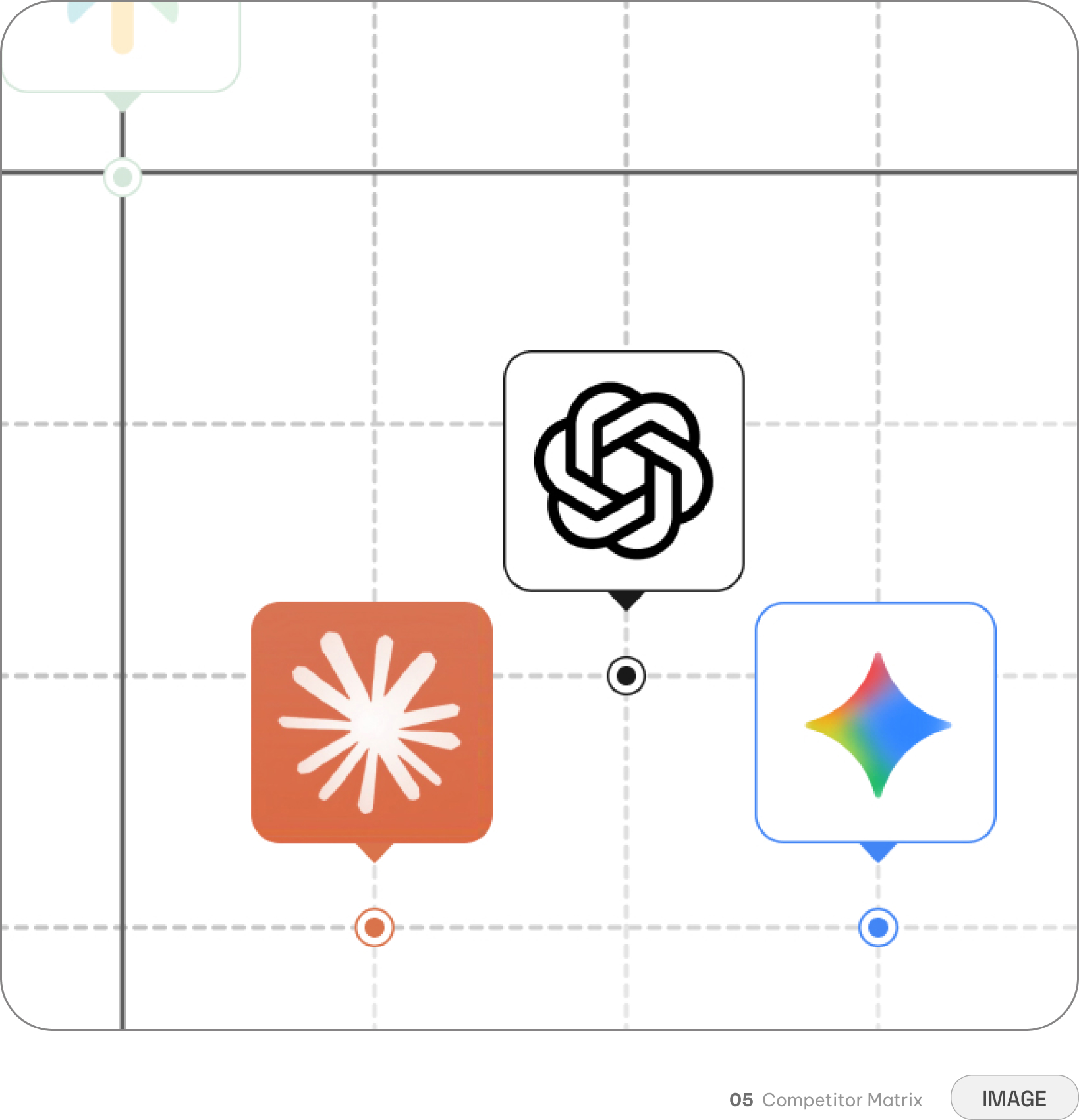
Consumer AI models
Built on a highly familiar mental model with zero barrier to entry, making it the most comfortable and widely adopted tool for patients
Lacks health-specific context and longitudinal memory across sessions, forcing users to repeatedly type lengthy symptom histories
Delivers answers in an overly confident tone without medical oversight, source verification, or doctor-facing export options
Research
Grounding the problem space before asking a single question
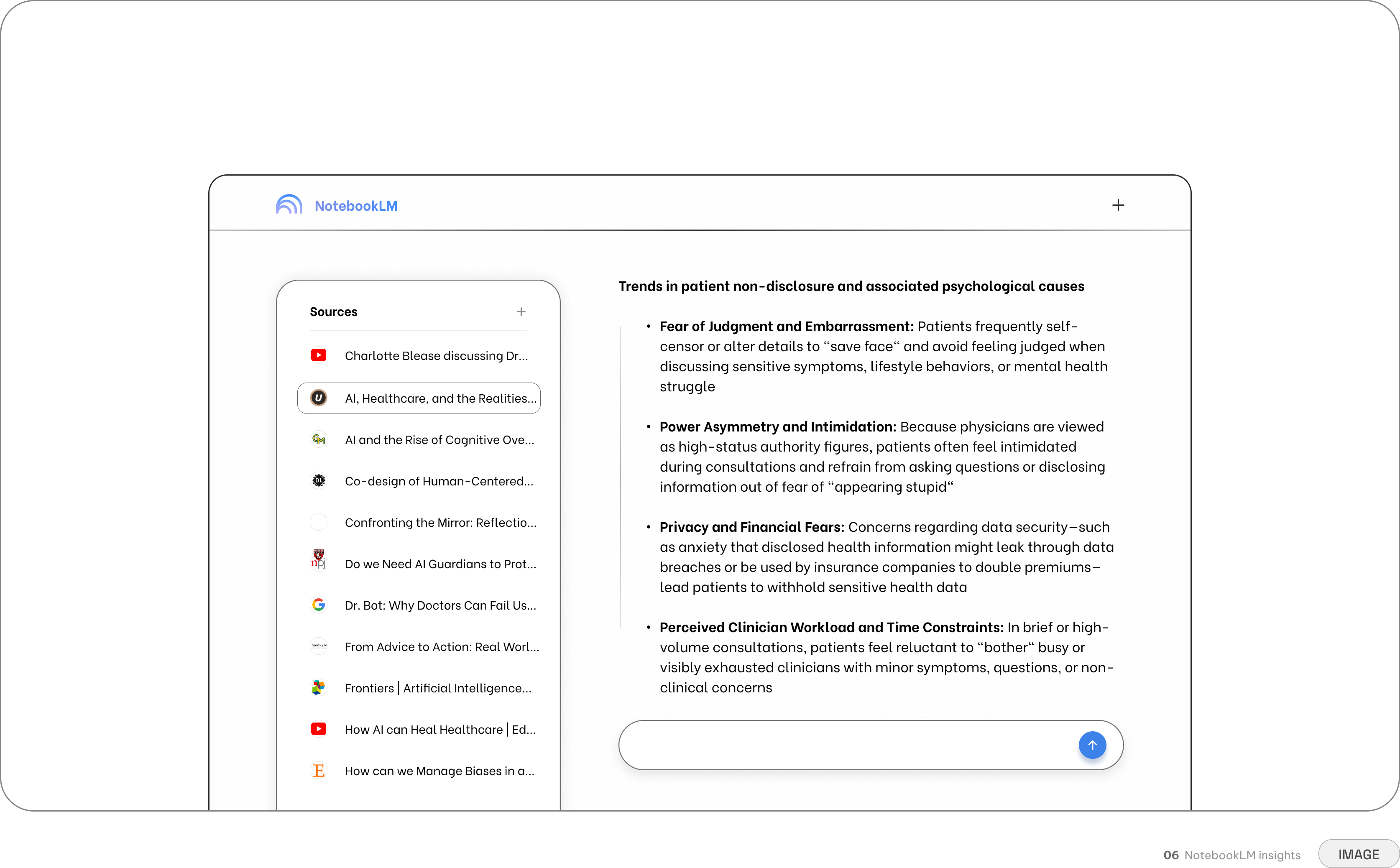
Before launching our surveys and interviews, we conducted an extensive literature review to explore how patients adopt and interact with health AI.
This foundational research mapped the friction points of modern healthcare and directly informed the design of our screening survey and semi-structured interview protocols. By understanding broader shifts in digital health and patient agency, we established a clear baseline for analyzing why people bypass traditional care channels.
Talking directly to patients and doctors to uncover the human truth
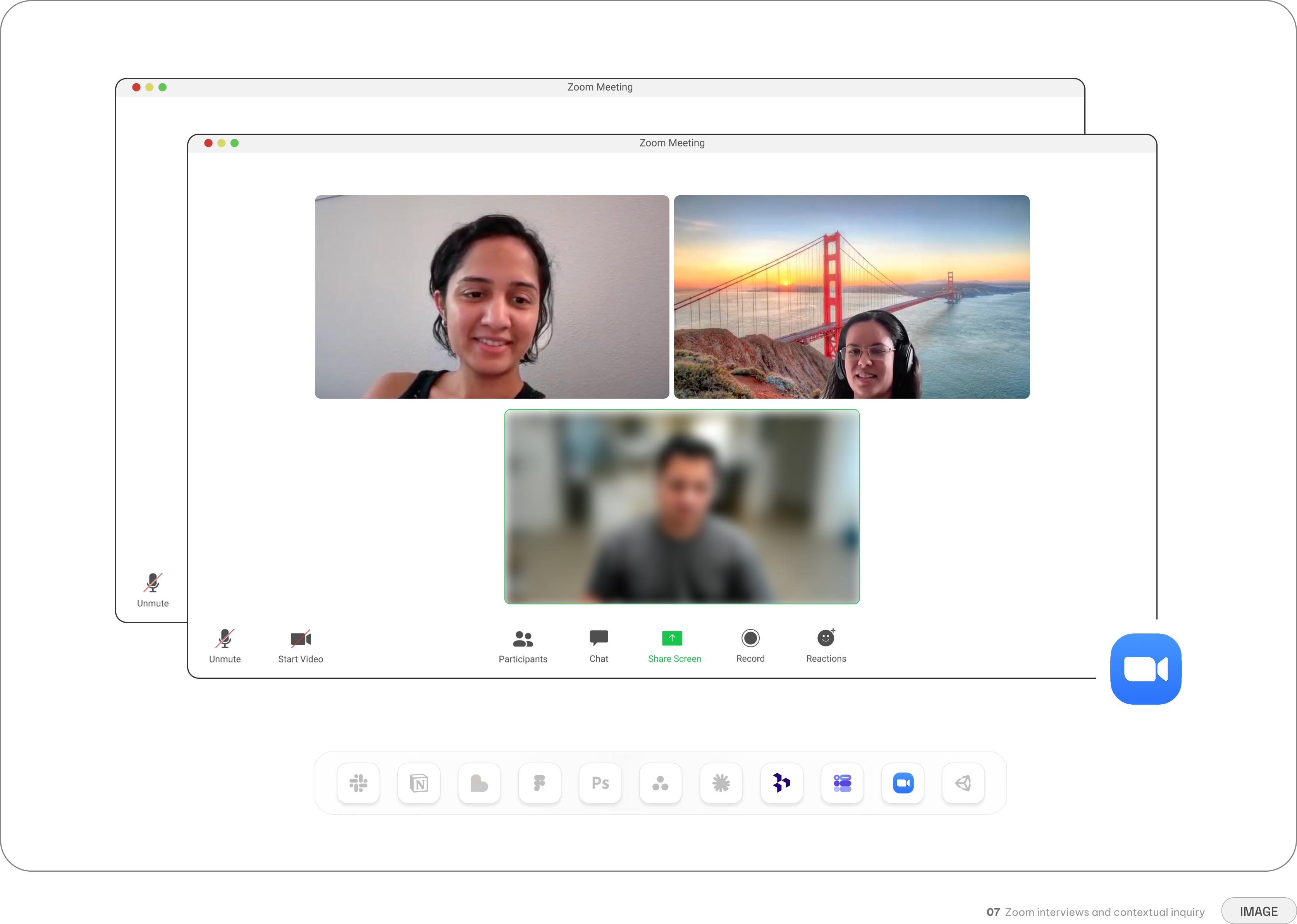
To move beyond surface-level assumptions, we adopted a mixed-methods research design consisting of a screening survey of 60 respondents (57 confirmed AI health users), 9 in-depth patient interviews, and 3 medical expert interviews.
During patient sessions, we utilized vignette walkthroughs and contextual inquiries where participants prompted AI in real time using imaginary medical scenarios.
Key Insights
Three behavioral paradoxes that defined the problem
Our research revealed three core behavioral paradoxes that fundamentally shape how people think about and use AI for health. These contradictions—such as users acting on AI advice while hiding personal data out of privacy fears—highlighted the deep psychological friction behind every prompt.
Understanding these paradoxes proved that users don't just want smart technology; they need tools that respect their privacy and social anxiety.
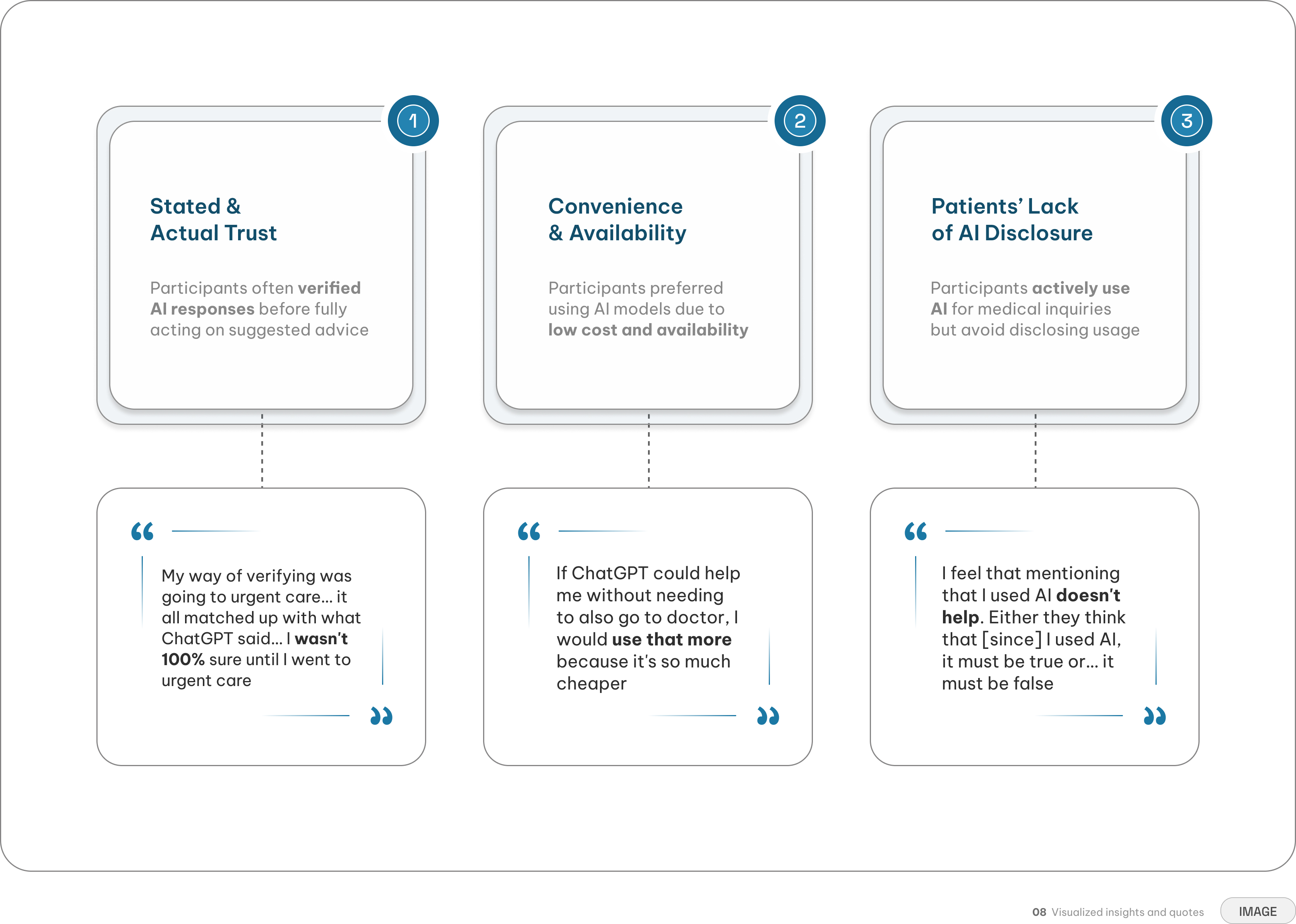
Turning messy workarounds into a unified product direction
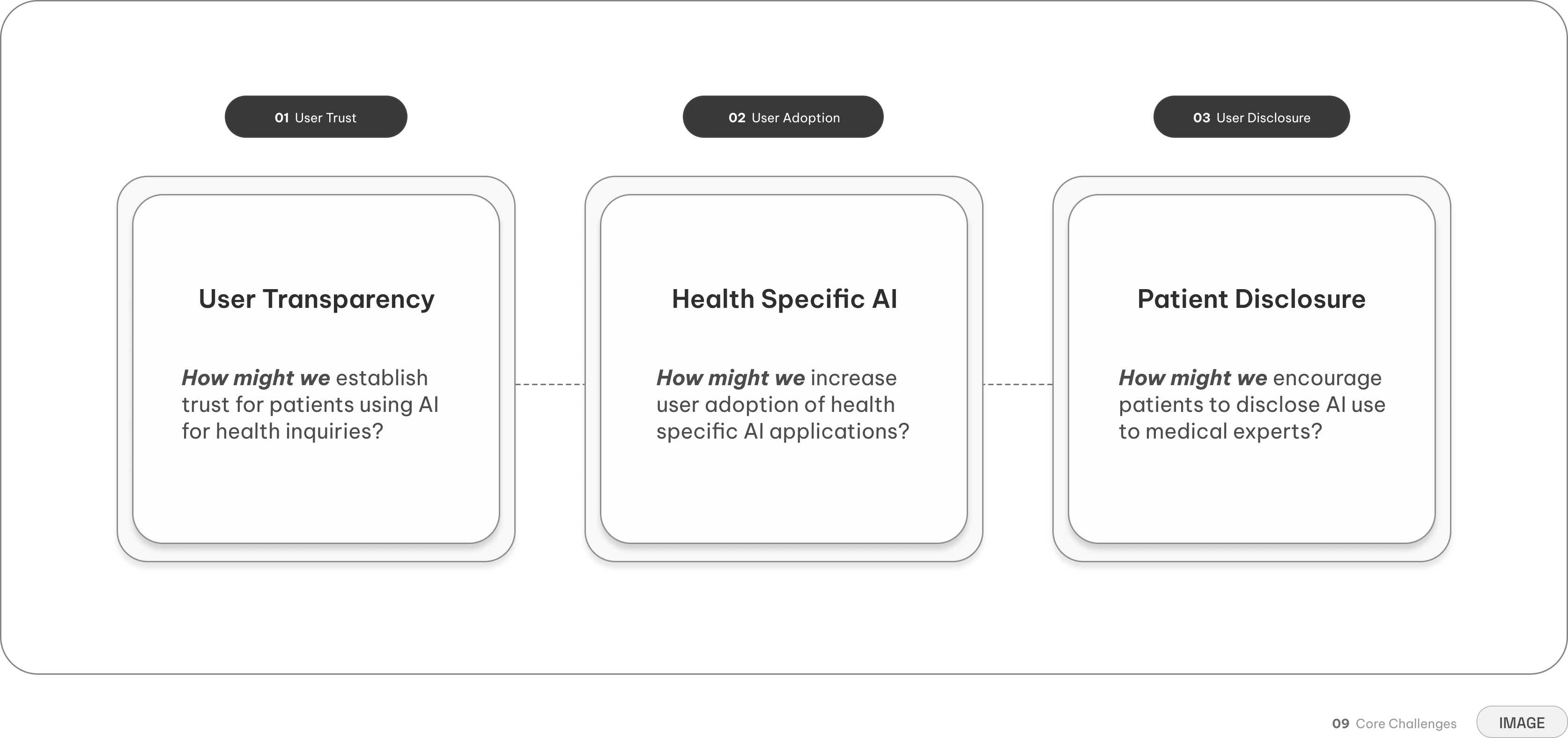
These findings translated directly into three foundational How-Might-We questions focused on establishing trust, driving adoption of health-aware features, and encouraging safe disclosure.
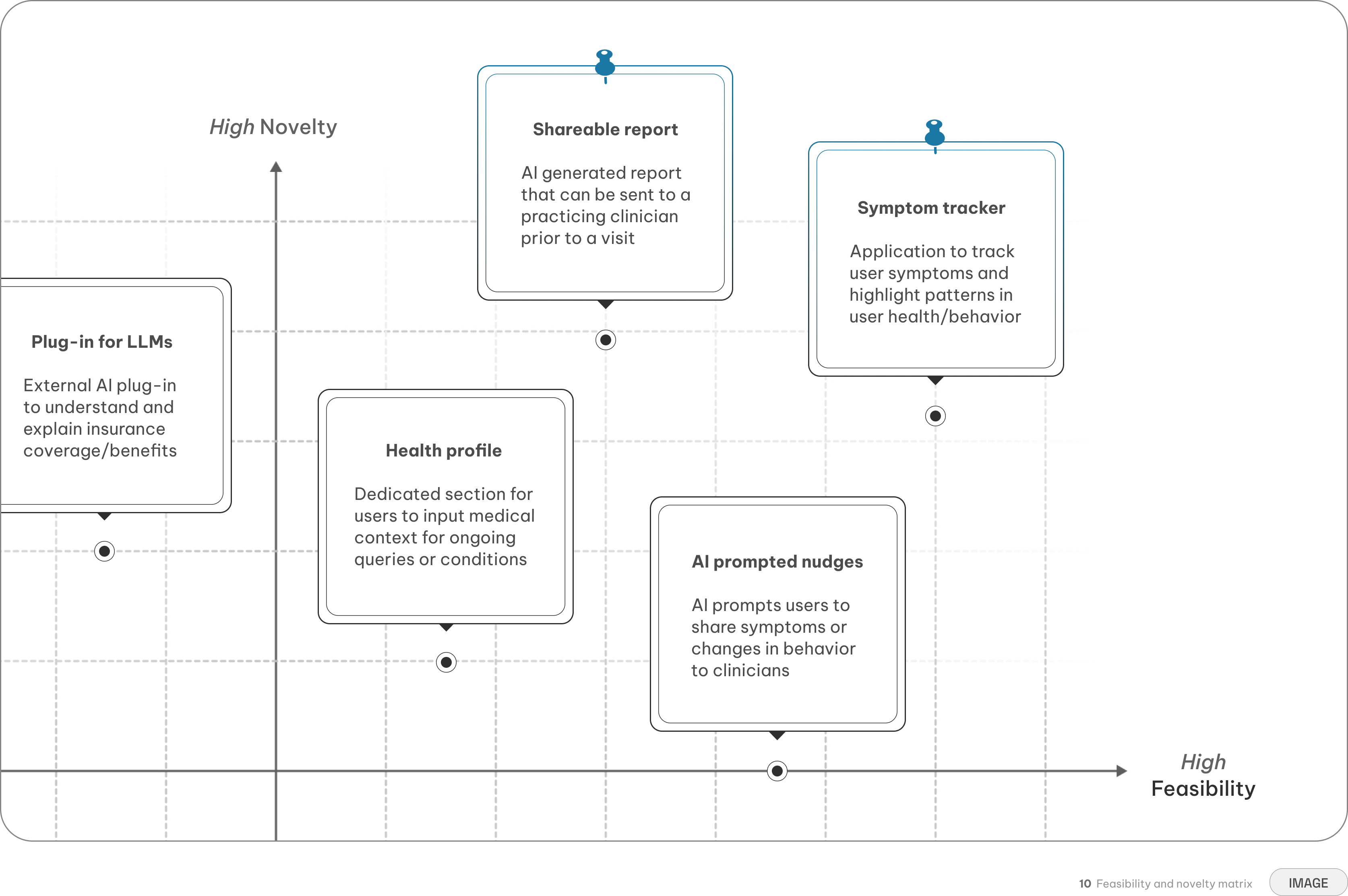
We used these questions to run expansive brainstorming and Crazy-8s ideation sessions, generating 32 total concept ideas that were mapped onto a Feasibility vs. Novelty Matrix. This rigorous filtering process shaped our 3-part ecosystem direction.
A journey broken up by tab-switching and shame
To bring our research to life, we mapped the experience of our primary persona, Sarah B., a 25-year-old risk analyst in San Francisco with high AI literacy. Tracking Sarah across a 7-stage current-state journey revealed intense friction points: she struggles with opaque AI logic, opens multiple browser tabs to cross-check claims, and maintains guarded notes on her phone to avoid appearing like she "self-diagnosed."
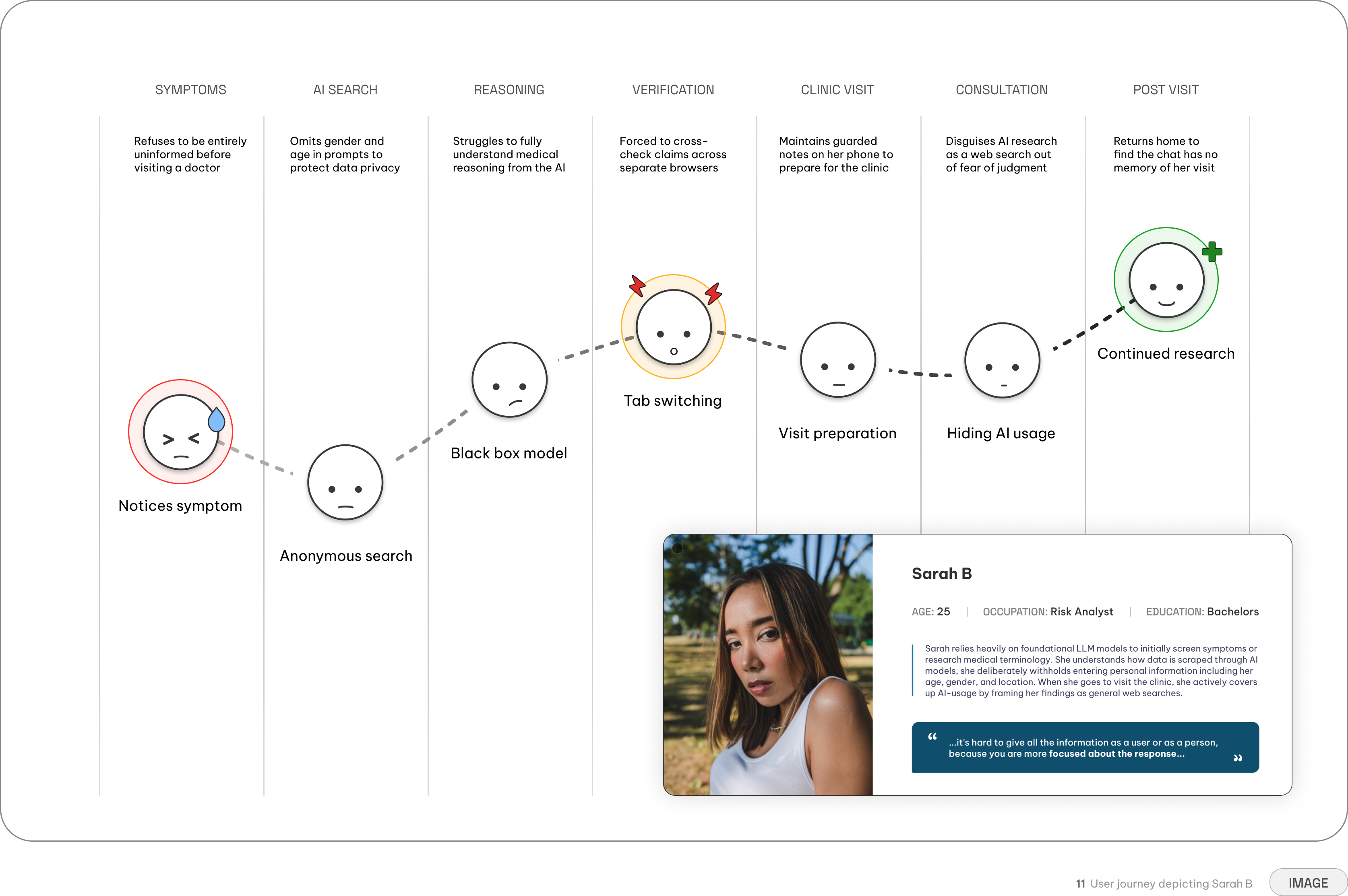
Patients are motivated to understand their own symptoms, turning to AI for immediate answers
Patients are comfortable using tools like ChatGPT and Gemini, eliminating adoption barriers
Fear of data scraping leads patients to strip out critical context like age and medical history
Checking black-box AI reasoning requires manual tab-switching across various web sources
Patients hide AI usage from doctors out of fear of judgment, but continue to use and act on AI tools
Exploring future design directions
As we moved from insights to solutions, we evaluated two distinct directions without committing to a single path yet. We explored whether to focus on pre-visit preparation—helping patients organize thoughts and summaries before seeing a doctor—or post-visit continuity—tracking symptom recovery arcs over time.
Weighing these "either-or" options allowed us to test where an AI intervention would bring the most meaningful value to the patient journey.
This project is currently ongoing
Full case study documentation and final prototypes will be updated post-
December — please reach out for more details or questions at ichury@ucsc.edu
